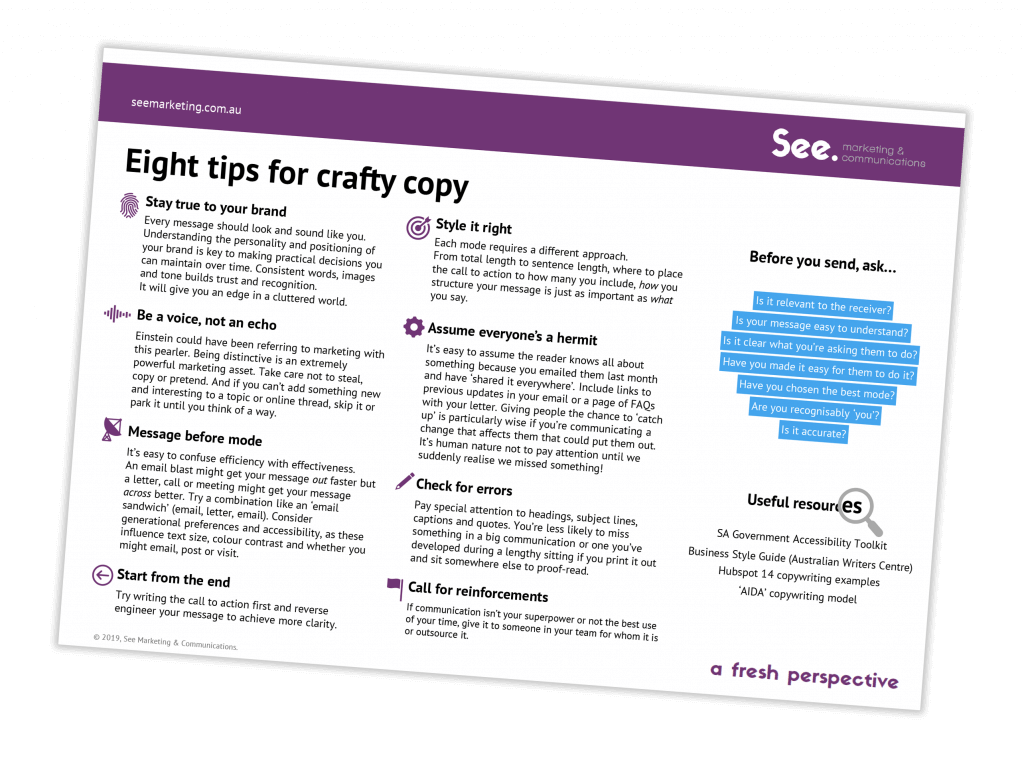
Hand a Formula One car to an ordinary driver and they won’t win a Grand Prix.
The same goes for AI in marketing. It might be fast, powerful and impressive, but without experience, clear direction and sound judgement, it’s easy to end up with something that looks polished but veers off course.
In expert hands, AI results are even better. But used well, it can benefit anyone.
AI isn’t new. Marketers have used artificial intelligence for years, from automation tools that serve ads based on your behaviour to predictive models that prompt you to make an impulse buy at the online checkout.
What is new is how accessible it’s become. Large language models can now write full articles, summarise reams of data, and suggest social media captions in seconds. Visual tools can turn a prompt into a brand illustration, a stock image or a storyboard. It’s fast, it’s clever, and when used well, it can be genuinely helpful.
Yes, we use AI at See Marketing & Communications. It helps us move more efficiently through early research and rough drafts. But we’re clear about where it fits and where it doesn’t.
- We never cut and paste.
- We don’t hand over our thinking.
- And we certainly don’t hand over client work to an algorithm.
The trick is treating AI in marketing as a tool, not the expert.
A large language model like ChatGPT can feel like the holy grail to a struggling writer, but can downgrade an expert one if they hand over control completely. This is because this type of AI generates text by predicting the next most likely word, based on patterns from billions of others. By its very nature, what you get is generic unless you know how to steer. The higher your initial skill, the better your end result. Think of it like hiring a new graduate: they’re a smart assistant who helps you best when you give them clear instructions and feedback.
5 smart ways to use AI in marketing
AI can support your marketing if you carefully guard client privacy and don’t blindly accept what it produces. Here are some practical and some models you could consider (note: these aren’t recommendations).
-
Speed up your first drafts
Use a tool like ChatGPT to get past the blank page for an article, tender response, or social media series. Treat what it produces as a starting point to refine, rather than as finished work.
-
Test different angles
Rework a paragraph or heading from another perspective, tone or customer type with a tool like Copy.ai. It’s a quick way to spark fresh thinking and find a style that feels natural to you and right for your audience.
-
Summarise existing content
Do you have a long article, report or transcript you want to condense and share? Tools like Claude or Perplexity can summarise key points to help cement your learning.
-
Spot simple SEO fixes
AI can scan a webpage for quick wins like missing page titles, unclear headings or keyword gaps. A tool like Ubersuggest won’t replace human expertise, but can quickly flag small improvements in small businesses.
- Automate repetitive tasks
AI-powered tools can handle small but time-consuming tasks, such as scheduling social posts, tagging records in your database, or segmenting email lists based on behaviour. This frees you up for the strategy and creativity that still require a human touch. Depending on your needs, a tool like HubSpot could help here.
3 caution flags to watch for
AI in marketing can be great but it’s your job to keep things on the road. These tips might help.
- Confidence doesn’t equal accuracy
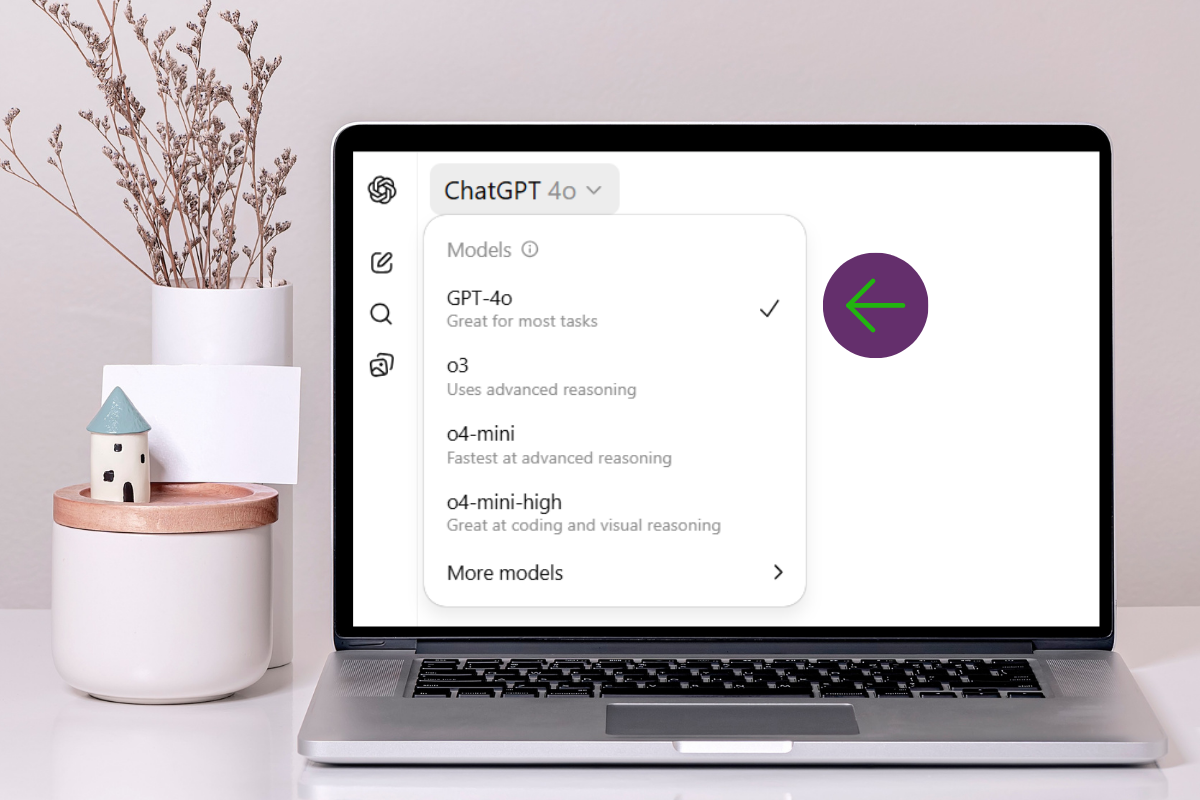
AI tools must have exceptional self-esteem! They sound so confident, even when they’re wrong. Always sense-check and verify anything technical, public or regulated. Choose the right model for the job. For example, within ChatGPT’s paid version, there are several models that specialise in different tasks (pictured above).
You are the expert on your brand
AI in marketing (and anywhere) doesn’t inherently understand your tone, nuance or strategic intent, so you need to guide and review it critically. The more clearly you define your brand when prompting AI, the better your results. You can even upload a tailored prompt brief and create your own brand-specific AI agent within many of the models.
Check privacy and future training permissions
Be careful about the information you share. Avoid entering sensitive business or client details, especially if you’re using a free tool. Ideally use a paid service and opt out of the platform using your chat to train future models. Also think about the client experience and consider disclosing how your business uses AI to deliver services (we have an FAQ on this). It’s great transparency and could be a competitive advantage if you’re willing to be open and others aren’t.
How we can help
If you’re experimenting with AI in marketing, we can be your sounding board. Ask us to help you think through what’s worth automating and where to keep human hands firmly on the wheel.
We can also audit your brand and develop a tailored prompt brief to upload into your AI tool. You’ll still need to ensure what it produces is authentically ‘you’, but it will go a long way toward maintaining quality and avoiding generic outputs that scream “I used AI for this.” This can be especially helpful if writing isn’t your thing and you’re not ready to bring in a communications professional. Contact us to learn more.